
🚀 How a Medium Business Achieves ROI with a Robotic Arm (Using FAIRINO – Conservative Model)
- FAIRINO USA

- Mar 17
- 5 min read
Updated: Apr 19
This is in a nutshell
1. IMPORTANT NOTE (READ THIS FIRST)
All financial numbers, timelines, and ROI calculations in this plan are based on:
👉 Conservative assumptions
Meaning:
Costs are estimated on the higher side
Savings are estimated on the lower side
ROI is not exaggerated
This ensures:
✔ realistic expectations✔ no overpromising✔ viable business decision-making
2. WHAT ACTUALLY WORKS (REALITY)
From real-world automation deployments:
SMB automation ROI: 8–14 months (typical)
Conservative ROI: 10–18 months
Long-term return (3 years): 200–300%
👉 The reason:
Robots replace expensive labor
Robots run longer hours
Robots reduce errors
3. CORE STRATEGY (MOST IMPORTANT PART)
👉 Do NOT automate everything
👉 Automate ONE bottleneck task
This is the difference between:
companies that succeed
companies that fail
4. STEP-BY-STEP EXECUTION PLAN
STEP 1 — Identify the RIGHT TASK
You must choose a task with:
✔ repetitive motion✔ low decision-making✔ consistent workflow✔ measurable labor cost
BEST HIGH-ROI TASKS
CNC machine tending
palletizing
packaging
pick-and-place
visual inspection
STEP 2 — BASELINE COST (CURRENT STATE)
Example (Conservative)
Metric | Value |
Workers | 2 |
Salary each | $45,000 |
Total labor | $90,000/year |
👉 This is your automation target value
STEP 3 — FAIRINO SYSTEM DESIGN (CONSERVATIVE COST MODEL)
⚠️ These are realistic conservative estimates
Hardware & Setup
Component | Cost |
FAIRINO robot (FR5/FR10) | $8,000 – $15,000 |
Gripper / tool | $3,000 – $6,000 |
Fixtures / table | $3,000 – $5,000 |
Integration & setup | $20,000 – $35,000 |
Safety / misc | $3,000 – $5,000 |
TOTAL SYSTEM COST
👉 $40,000 – $60,000 (conservative range)
STEP 4 — DEPLOYMENT TIMELINE
Phase | Time |
Planning | 1–2 weeks |
Equipment delivery | 2–4 weeks |
Integration | 2–4 weeks |
Go-live | 6–10 weeks total |
STEP 5 — OPERATION MODEL (AFTER AUTOMATION)
BEFORE
2 workers
limited to shifts
inconsistent output
AFTER
1 worker supervises
robot runs continuously
stable production
5. ROI CALCULATION (CONSERVATIVE MODEL)
Scenario
Metric | Value |
System cost | $50,000 |
Labor replaced | $90,000/year |
REALISTIC SAVINGS (NOT 100%)
We assume:
👉 only 70% efficiency gain
So:
👉 savings = $63,000/year
PAYBACK PERIOD
👉 $50,000 ÷ $63,000 = 0.79 years
= ~9.5 months
CONSERVATIVE RESULT
👉 ROI: 10–14 months
6. REALISTIC ROI TIMELINE
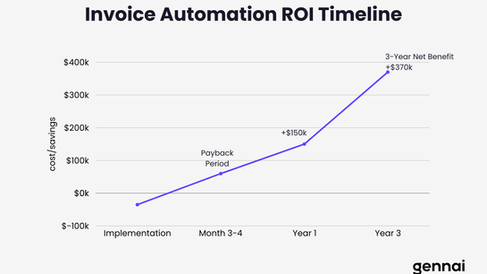
Month 0 -$50,000 investmentMonth 6 -$15,000 remainingMonth 10 BREAK EVENMonth 18 +$60,000 profitMonth 36 +$180,000 total return7. WHY THIS WORKS (REAL DRIVERS)
1. LABOR REPLACEMENT
Primary driver of ROI
$45k–$70k per worker annually
2. EXTENDED OPERATING HOURS
Robots:
✔ don’t stop✔ don’t fatigue✔ enable overtime production
3. CONSISTENCY
fewer defects
fewer reworks
stable output
4. MACHINE UTILIZATION
Especially important for:
CNC
production lines
8. WHERE FAIRINO FITS PERFECTLY
FAIRINO robots are best for:
✔ small / medium businesses✔ quick deployment✔ cost-sensitive environments
COMPARISON (CONSERVATIVE)
Factor | Traditional Robot | FAIRINO |
System cost | $80k–$150k | $40k–$60k |
Integration | complex | simple |
ROI | 12–24 mo | 10–14 mo |
Deployment | months | weeks |
9. REAL USE CASE BREAKDOWN
USE CASE 1 — CNC MACHINE TENDING
Result
machine uptime: +25–35%
labor reduction: 1–2 workers
👉 ROI: 8–12 months (conservative)
USE CASE 2 — PACKAGING
Result
speed: +30–50%
labor reduction: 1 worker
👉 ROI: 10–14 months
USE CASE 3 — ROBOTIC ARM PALLETIZING
Result
consistent stacking
injury reduction
labor savings
👉 ROI: 12–16 months
10. SCALING PLAN (HOW COMPANIES GROW)
PHASE 1
1 Robotic Arm
1 task
validate ROI
PHASE 2
add 2–3 robots
automate bottlenecks
PHASE 3
semi-automation line
optimize workflow
👉 This is how companies reach:
✔ 200–300% ROI over 3 years (conservative)
11. COMMON MISTAKES (WHY PEOPLE FAIL)
❌ Automating too much too fast❌ Overengineering solution❌ Ignoring integration cost❌ Not calculating real labor savings
12. FINAL EXECUTION BLUEPRINT
SIMPLE VERSION
Identify repetitive task
Measure labor cost
Budget $40k–$60k
Install FAIRINO robot
Replace 1 worker
Run extended hours
Break even in ~12 months
Scale
13. FINAL CONCLUSION
Using conservative assumptions, robotic automation with FAIRINO:
ROI: 10–14 months
3-year return: 200–300%
productivity increase: 20–40%
🔑 FINAL TRUTH
👉 Automation success is NOT about technology
👉 It is about:
✔ choosing the right task✔ controlling costs✔ maximizing utilization
📊 Robotic Arm ROI Timeline





Key Insight (Conservative Model)
Month 0 → Investment ($40k–$60k)
Month 6 → Majority of cost recovered
Month 10–14 → Break-even
Month 24 → Strong profit phase
👉 Most SMBs reach ROI within 10–14 months (conservative)
💰 Cost Breakdown (FAIRINO Setup)


Typical FAIRINO System (Conservative)
Robot: $8k–$15k
Integration: $20k–$35k
Tooling: $3k–$6k
Fixtures & safety: $5k–$10k
👉 Total: $40k–$60k
💡 Insight:Integration = biggest cost driver, not the robot itself
⚙️ Automation Impact on Business


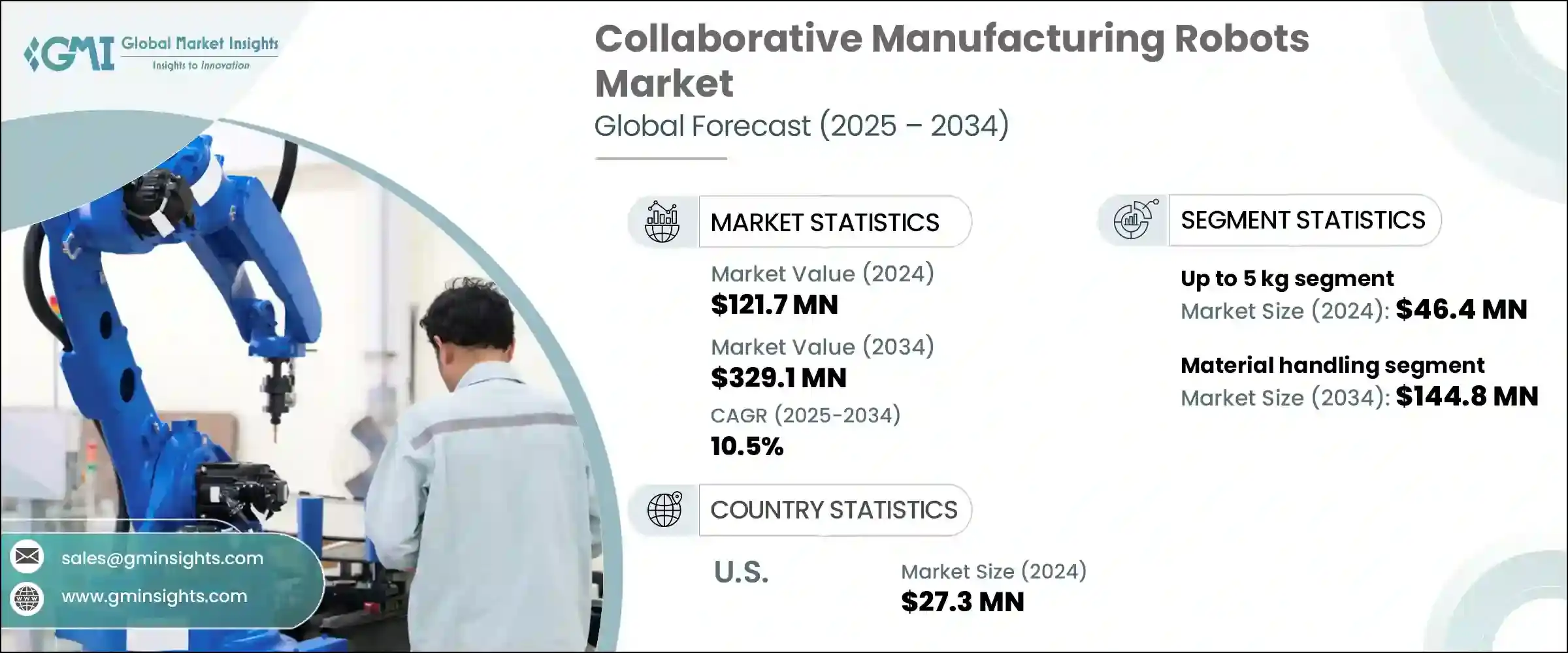

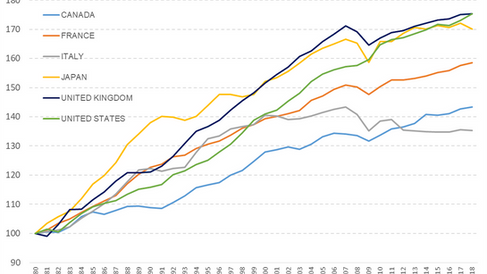
Measurable Improvements (Conservative)
Productivity: +20–40%
Labor cost: −20–35%
Machine uptime: +25–35%
Defects: −10–20%
👉 Automation improves BOTH cost and output
🏭 Implementation Blueprint (FAIRINO Strategy)


Step-by-Step Execution Plan
Identify repetitive task
Calculate labor cost
Budget $40k–$60k
Install FAIRINO robot
Replace 1 operator
Run extended hours
Break even ~12 months
Scale operations
👉 Start small → scale fast
IN ANY CASE THIS IS FOR EDUCATIONAL PURPOSES FOR REAL LIFE AUTOMATION PLAN CONTACT US TODAY FOR FREE CONSULTATION
FAQ
How can a medium-sized business achieve ROI with a robotic arm?
A medium-sized business can achieve ROI by automating repetitive tasks such as machine tending or palletizing, reducing labor costs while increasing production efficiency. In many cases, automation allows one operator to supervise multiple machines, significantly improving productivity.
What is a typical ROI timeline for medium businesses using robotic arms?
Most medium-sized businesses achieve ROI within 12 to 24 months, but in optimized scenarios—especially with high labor replacement—ROI can be achieved in under 12 months, and sometimes even faster.
Can a robotic arm achieve ROI in less than one year?
Yes. Case studies show that when labor savings are high and utilization is strong, robotic arms can deliver ROI in less than a year. In some machine tending applications, payback can occur in just a few months.
What are the main cost components in a robotic automation project?
Typical costs include:
robotic arm purchase
system integration
end-of-arm tooling (grippers)
programming and setup
These combined costs form the total investment that must be recovered through operational savings.
How do robotic arms reduce labor costs in medium businesses?
Robotic systems replace repetitive manual tasks, allowing fewer workers to manage more production. This reduces direct labor costs and also minimizes expenses related to training, turnover, and overtime.
How do robotic arms increase machine utilization?
Robotic arms automate loading and unloading processes, reducing idle time between production cycles. This allows machines to run continuously and significantly increases overall utilization rates.
What productivity improvements can medium businesses expect?
Businesses typically see:
increased production uptime
faster cycle times
the ability to run overnight or unattended shifts
These improvements directly increase output without increasing labor costs.
Why is machine tending one of the fastest ROI applications?
Machine tending delivers fast ROI because:
it replaces repetitive manual labor
machines can operate continuously
labor savings are immediate and measurable
This combination creates one of the shortest payback periods in automation.
How do FAIRINO robotic arms improve ROI specifically?
FAIRINO robotic arms are typically more affordable and easier to integrate compared to traditional industrial robots. This lowers upfront investment and accelerates the time required to reach profitability.
What factors determine ROI speed for medium businesses?
Key factors include:
labor costs being replaced
production volume
system cost
integration complexity
operational efficiency gains
How does automation enable overnight production?
Robotic systems can operate continuously without breaks, allowing businesses to run production during non-working hours. This increases total output without increasing staffing costs.
What industries are best suited for this type of ROI model?
Medium-sized businesses in:
metal manufacturing
machining
logistics
general industrial production
benefit the most, especially where repetitive manual tasks are common.


